TUBAL_RECANALIZATION
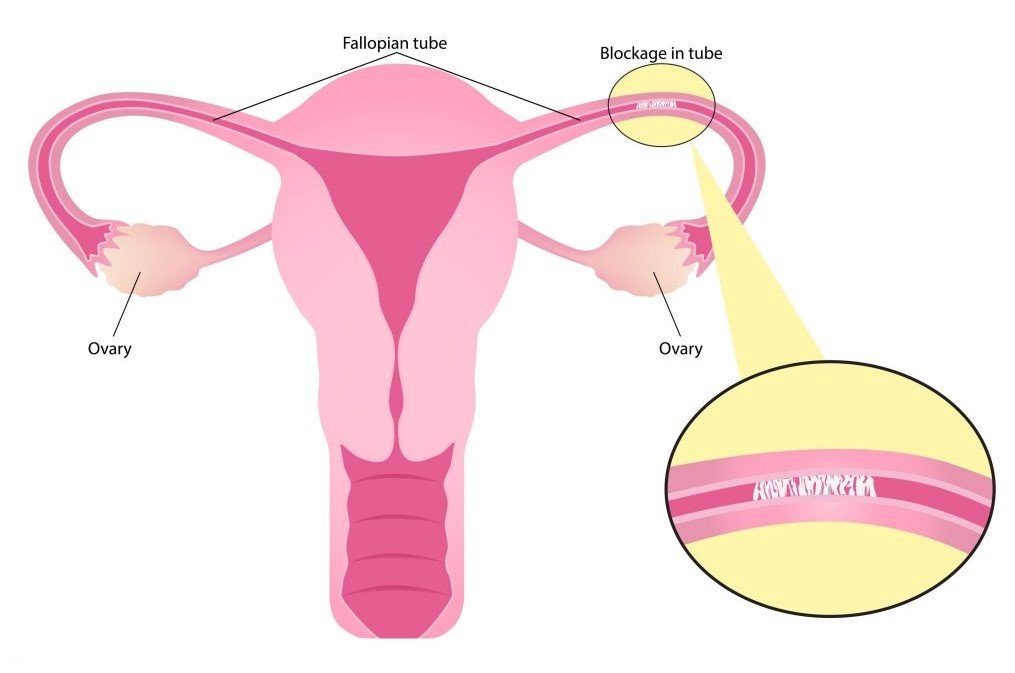
Tubal recanalization is a minimally invasive procedure designed to treat blocked fallopian tubes, a common cause of infertility in women. The procedure involves the insertion of a catheter through the cervix and into the uterus, where a contrast dye is injected to visualize the fallopian tubes using fluoroscopy or X-ray imaging. Once the blockage is identified, a smaller catheter or guide wire is threaded through the initial catheter to open the blocked section of the tube. This process can clear obstructions caused by mucus, debris, or minor scarring, thus restoring patency to the fallopian tubes and improving the chances of natural conception.
The success rate of tubal recanalization varies, depending on the nature and location of the blockage. Studies suggest that the procedure can be effective in up to 90% of cases where the blockage is due to a proximal obstruction, typically found at the junction of the uterus and the fallopian tubes. Complications from the procedure are rare but may include infection, bleeding, or damage to the fallopian tubes. Recovery is generally quick, with most women resuming normal activities within a day or two. Tubal recanalization offers a less invasive alternative to surgical methods such as tubal ligation reversal or in vitro fertilization (IVF), making it a viable option for many women seeking to restore their fertility.
Services features
- Minimally invasive outpatient procedure
- High success rate for suitable candidates
- Quick recovery time with minimal discomfort
- Non-surgical alternative to traditional infertility treatments
- Performed under fluoroscopic guidance for precision
- Potential for natural conception post-procedure
.jpeg)