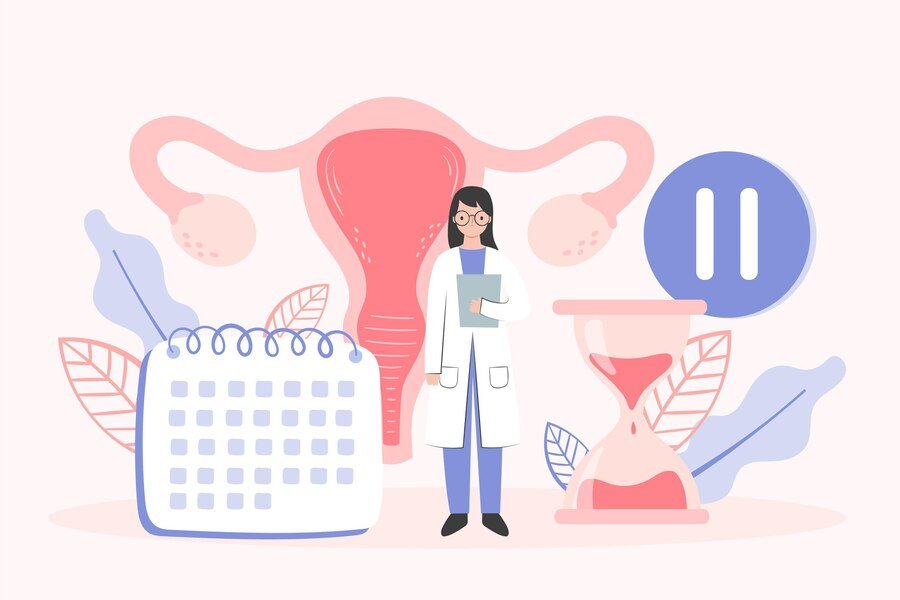
Menopause Management
Managing menopause involves addressing the physical, emotional, and hormonal changes that occur as a woman's reproductive years come to an end. Menopause typically occurs around the age of 50, although it can vary widely among individuals. Hormone replacement therapy (HRT) is a common treatment option for managing menopausal symptoms such as hot flashes, night sweats, vaginal dryness, and mood swings. HRT supplements estrogen and progesterone levels in the body, helping to alleviate these symptoms and improve overall quality of life for many women. However, HRT is not suitable for everyone and may carry certain risks, such as an increased likelihood of blood clots or breast cancer, so it's important for women to discuss the potential benefits and risks with their healthcare providers.
In addition to HRT, lifestyle modifications can play a significant role in managing menopause symptoms. Regular exercise, a balanced diet rich in calcium and vitamin D, stress reduction techniques such as meditation or yoga, adequate sleep, and avoiding triggers like caffeine and spicy foods can help minimize discomfort associated with menopause. Furthermore, certain medications or therapies may be prescribed to address specific symptoms, such as low-dose antidepressants for mood swings or vaginal estrogen therapy for vaginal dryness. Individualized treatment plans tailored to each woman's unique symptoms and medical history are essential for effectively managing menopause and promoting overall health and well-being during this transitional phase of life.
Services features
- Symptom Management
- Hormone Replacement Therapy (HRT)
- Bone Health Assessment and Monitoring
- Cardiovascular Health Evaluation
- Psychological Suppor
- Lifestyle Guidance
.jpeg)