CYSTECTOMY
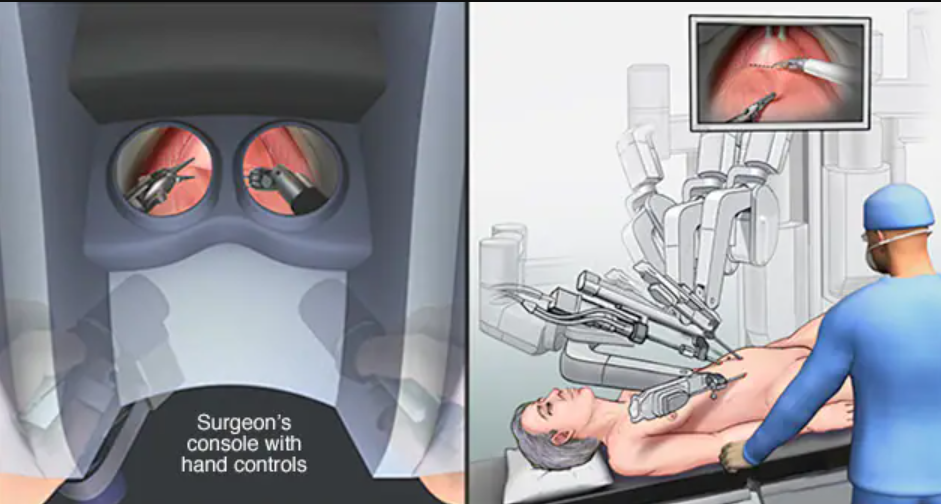
Cystectomy is a surgical procedure involving the removal of all or part of the urinary bladder. It's typically performed to treat bladder cancer that hasn't responded to other treatments or for advanced cases where the cancer has spread extensively within the bladder. The procedure may also be necessary for non-cancerous conditions such as severe interstitial cystitis or advanced stages of radiation cystitis, where the bladder becomes dysfunctional. Cystectomy can be performed using various techniques, including open surgery, laparoscopic surgery, or robotic-assisted surgery, with the choice depending on factors like the patient's overall health, the extent of the disease, and the surgeon's expertise
After a cystectomy, patients may experience significant changes in their urinary function and quality of life. In some cases, the bladder is reconstructed using a segment of the patient's intestine to create a new storage reservoir for urine, a procedure known as urinary diversion. This may involve creating a continent diversion where the patient can void urine through a stoma using a catheter, or an incontinent diversion where urine is collected in an external pouch. Additionally, patients may undergo chemotherapy or radiation therapy following cystectomy to eliminate any remaining cancer cells and reduce the risk of recurrence. Rehabilitation and support services are often essential to help patients adjust to the physical and emotional changes associated with cystectomy and to optimize their recovery and long-term outcomes.
Services features
- Specialized surgical expertise in cystectomy
- Advanced diagnostic and imaging technology for precise treatment planning
- Comprehensive pre-surgery evaluations and consultations
- Personalized treatment plans tailored to individual needs
- Supportive care and counseling for patients and families
- Long-term follow-up care to monitor for recurrence or complications
.jpeg)